
Your Skin Is Not a TikTok Experiment

Our Expert Naples Dermatologists Weigh In
If your skincare routine has been influenced by TikTok or Instagram lately, you're not alone. Our board-certified dermatologists in Naples, Florida are seeing more patients than ever with questions about viral skincare trends.
“Just because a product is labeled ‘natural’ doesn’t automatically make it safe. Some of the strongest irritants come directly from nature.”
Social media has become one of the most powerful forces in skincare, for better and for worse. Some of what circulates is genuinely useful. A lot of it isn't. And in a sun-drenched place like Naples, where skin health is serious business, the stakes of following the wrong advice are a little higher than most.
Dr. Scott A. Ross, a board-certified dermatologist and co-founder of Naples Dermatology, cautions patients to be especially careful with what they see online: "Many of the dramatic 'before and after' photos on social media simply can't be trusted. Something as simple as different lighting, camera angles, or filters can create the illusion of major improvement. Likewise, just because a product is labeled 'natural' doesn't automatically make it safe. Some of the strongest irritants come directly from nature. For people living active outdoor lifestyles in Naples, the best do it yourself skincare is surprisingly simple: wear a broad spectrum SPF 30 or higher every day, use protective clothing in the sun, and seek advice from a board-certified dermatologist rather than influencers promoting products to their followers."
“If a product promises dramatic results with no risks or downtime, it’s almost certainly marketing rather than medicine.”
Dr. Gerardo J. Lugo, a double board-certified dermatologist and Mohs surgeon, shares a similar concern about the way skincare is marketed online: "Much of the skincare advice shared online is sensationalized and designed to sell something. Miracle creams and quick fixes simply do not exist. If a product promises dramatic results with no risks or downtime, it's almost certainly marketing rather than medicine. The best advice comes from an unbiased board-certified dermatologist, not from someone whose livelihood depends on selling a product or treatment."
Here's our honest take on what's trending right now, what we like, what we don't, and what we'd tell you if you came in and asked.
Trends We Actually Like
Skin barrier awareness
One of the best things to come out of the skincare conversation in recent years is the focus on barrier health. Your skin barrier is the outermost layer of skin that keeps moisture in and irritants out. When it's compromised from over-exfoliating, using too many active ingredients, or simply reacting to Florida's heat and humidity, you end up with dryness, redness, sensitivity, and flare-ups.
The move toward gentler, simpler routines built around hydration and barrier repair is something dermatologists genuinely support. Ceramide-rich moisturizers, fragrance-free formulas, and cutting back on harsh exfoliants are all steps in the right direction.
Daily SPF as a non-negotiable
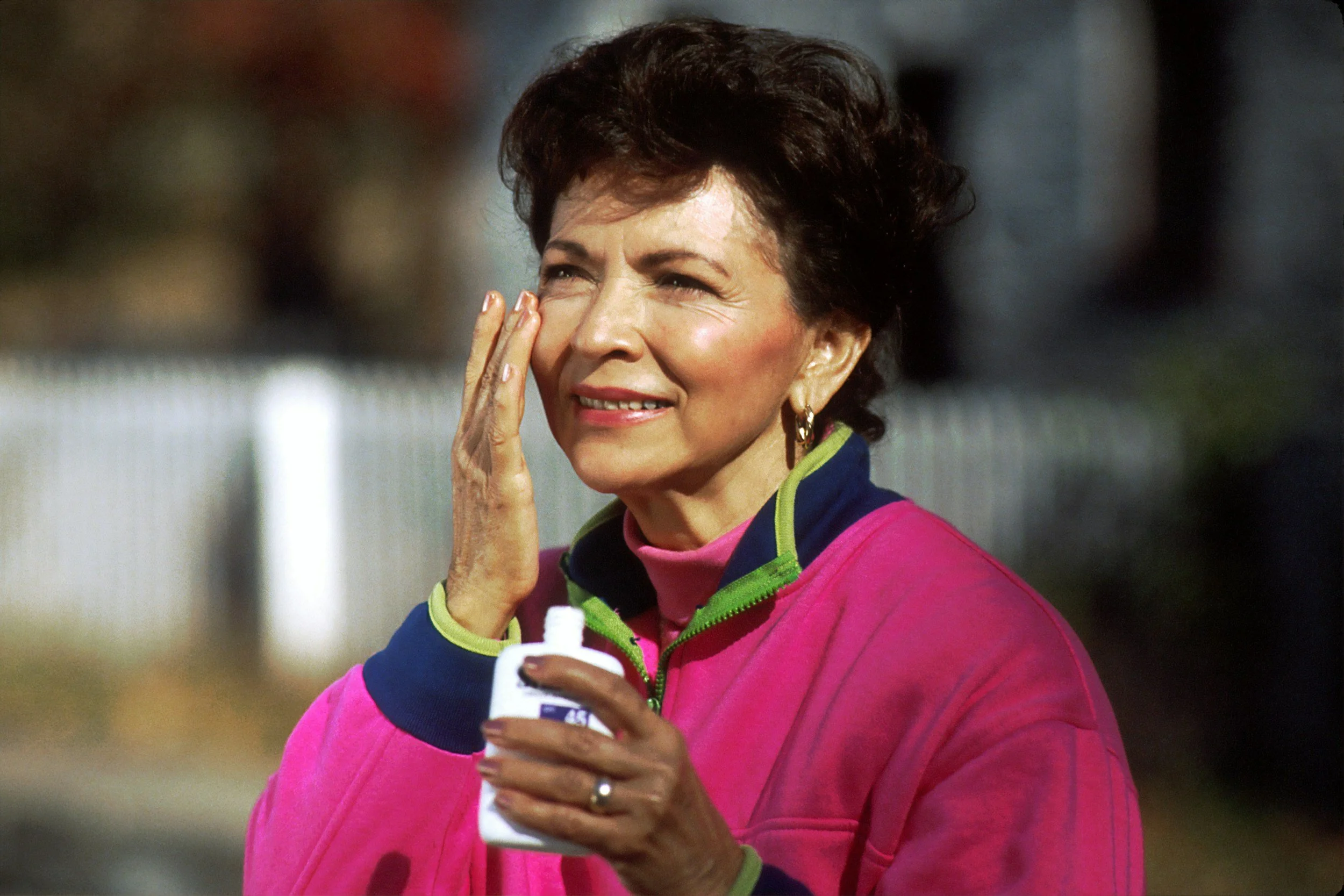
It took social media to make sunscreen cool, and we are not complaining. If TikTok convinced a new generation of Naples residents to wear SPF 30 every single day, it did something dermatologists have been trying to do for decades.
Broad-spectrum SPF 30 or higher, applied daily to your face, neck, ears, and chest is the single most impactful thing you can do for your skin's long-term health. No product, trend, or treatment comes close.
Dermatologist-developed brands
Patients are increasingly skeptical of influencer-endorsed skincare and turning toward brands with real clinical backing. CeraVe, La Roche-Posay, EltaMD, and Alastin have all seen growth because they're built on science, not marketing. That's a healthy shift.
Trends to Approach With Caution
Slugging
Coating your face in petroleum jelly before bed, called "slugging," has been popular for a couple of years now. It's not inherently dangerous, but it's not for everyone. It can be helpful for very dry or eczema-prone skin, but for acne-prone skin it can clog pores and worsen breakouts. If you want to try it, test it on a small area first and pay attention to how your skin responds.
Skin cycling
The idea of rotating active ingredients, retinol one night, exfoliant the next, recovery nights in between, has some logic behind it. It's better than layering multiple actives every night, which is a common mistake.
Should you try skin cycling? For some people, yes. But the right routine depends on your skin type. Rotating active ingredients may reduce irritation, but a dermatologist can help determine what's best for your skin.
At-home red light masks
There's some evidence that red light therapy can support collagen production and mild anti-aging. The at-home devices, however, deliver far less energy than clinical-grade equipment, so the results tend to be subtle at best. They're generally safe, but the gap between what they promise and what they deliver is wide.
Trends We'd Ask You to Stop
DIY sunscreen
Homemade sunscreen recipes using coconut oil or essential oils have circulated widely. This one is worth being direct about: DIY sunscreens do not provide reliable UV protection. In Naples, where UV exposure is intense year-round, inadequate sun protection is a real skin cancer risk. Please use a tested, FDA-compliant sunscreen.
Sunscreen contouring
Deliberately leaving areas of your face unprotected to create a tan contour effect. We've seen this trend before and the answer from every dermatologist is the same: no. Unprotected sun exposure is how skin cancer starts, and it is not worth it.
Lemon juice, toothpaste, and kitchen remedies
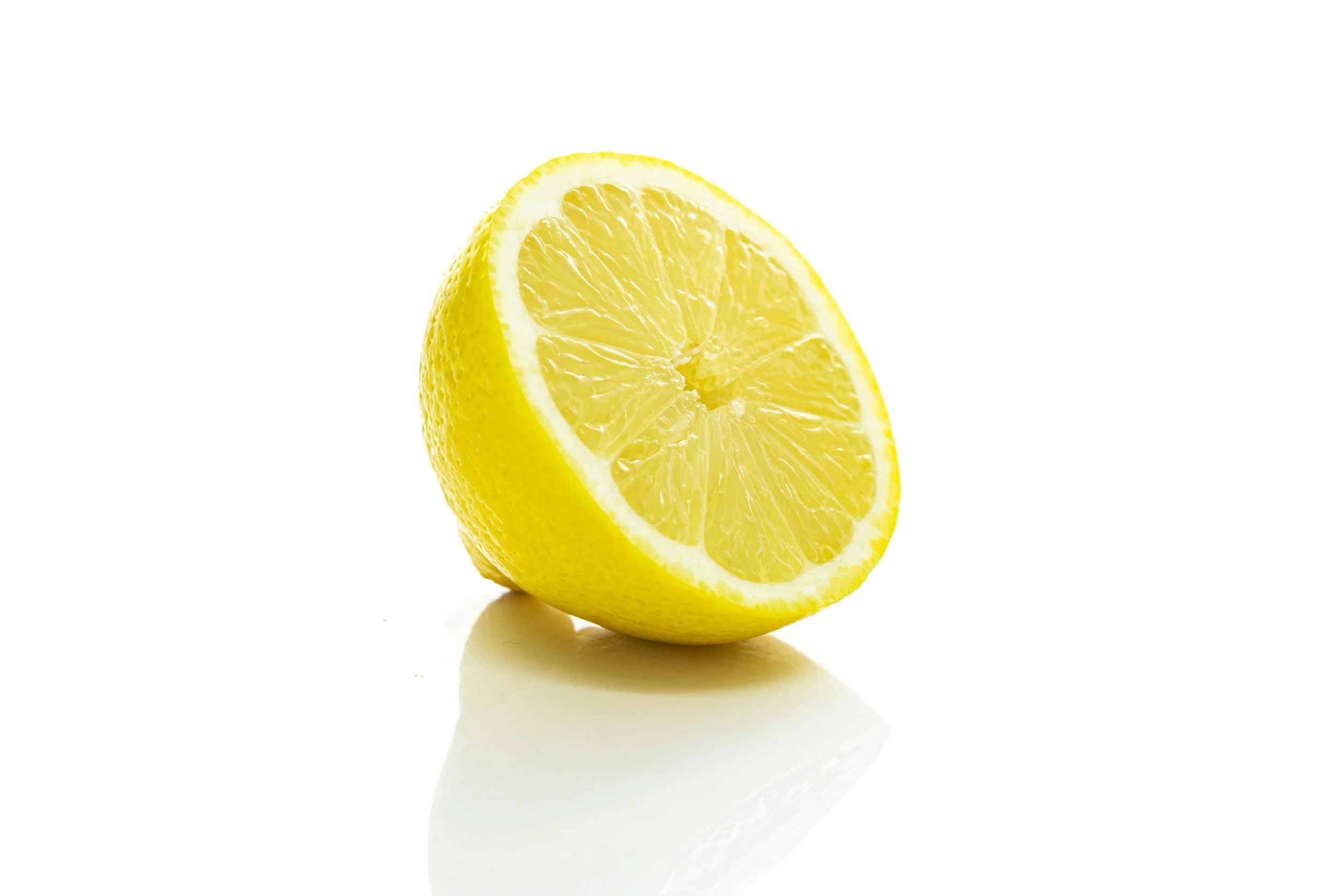
Lemon juice is too acidic for facial skin and increases sun sensitivity, which in Florida is a particularly bad combination. Toothpaste on pimples causes irritation more often than it helps. Food and kitchen ingredients are not formulated for skin, and the risks consistently outweigh the results.
Multi-step active ingredient routines for preteens
Retinoids, strong acids, and complex multi-step regimens marketed to younger skin are unnecessary and often harmful. Young skin does not need anti-aging products. A gentle cleanser, a basic moisturizer, and daily sunscreen is the right routine for most kids and teens.
Social media moves fast, and skincare trends cycle through before there's time to evaluate them properly. What's viral today may be debunked next month.
Your skin, on the other hand, is with you for life. A board-certified dermatologist can look at what you're actually dealing with, including your skin type, your concerns, and your environment here in Southwest Florida, and give you a plan that's built for you, not built for an algorithm.
If you have questions about your current routine or want a professional opinion on something you've seen online, we're happy to talk through it at your next visit.
Further Reading
TikTok Skincare Trends and Clinical Evidence | Journal of the American Academy of Dermatology
TikTok Loves These Skin Care Trends, Should You? | UC San Diego Health
Harmful Social Media Skin Care Trends | Dermatology Times
Medical Review: This article was reviewed by Dr. Scott A. Ross and Dr. Gerardo Lugo, board-certified dermatologists at Naples Dermatology & Skin Cancer Center.
