
What Does Skin Cancer Actually Look Like? Florida Dermatologists Breaks It Down
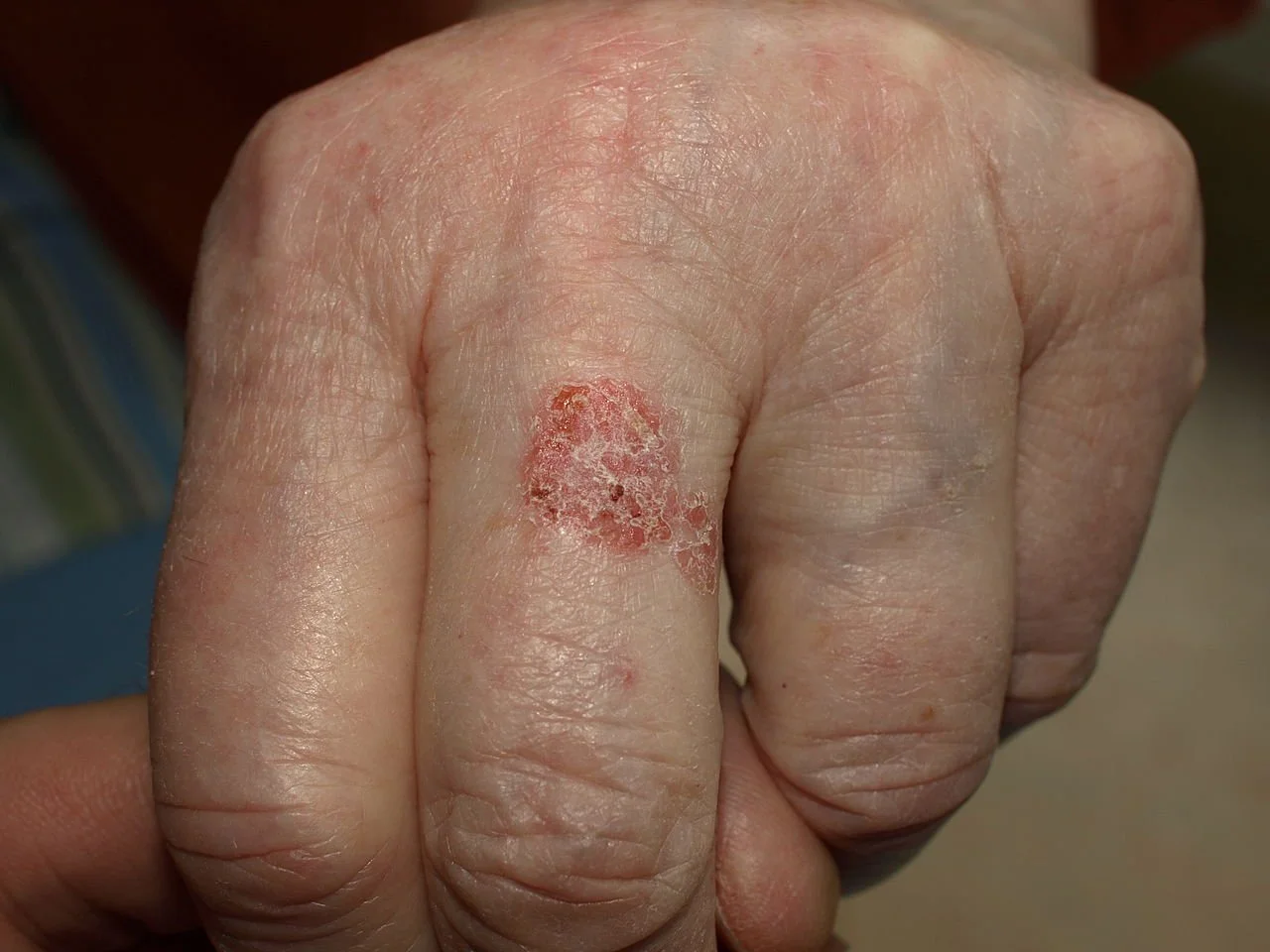
It’s a question we hear all the time: “How do I know if this spot is something to worry about?”
The truth is, skin cancer doesn’t always look the way people expect. It’s not always dark. It’s not always raised. And sometimes, it just looks like a bug bite or patch of dry skin that won’t go away.
In a sunny place like Naples, Florida, understanding what to look for is especially important. Florida has some of the highest rates of skin cancer in the country, and many of our patients have decades of sun exposure behind them—especially on the face, neck, arms, and chest.
Here’s how to recognize the most common types of skin cancer - and when to book a skin check.
“Skin cancer is often missed until it’s a serious risk. We always recommend seeing a dermatologist at least once yearly. Perhaps even more often than once a year if you’ve had a previous history of cancerous or precancerous skin lesions.”
When to See a Dermatologist
If you notice any changes to your skin - new spots, growing moles, or anything that just doesn’t seem right - it’s always best to get it checked. In many cases, skin cancer is painless and easy to overlook until it becomes more serious.
The 3 Most Common Types of Skin Cancer (And What They Look Like)
1. Basal Cell Carcinoma (BCC)
Appearance:
Pearly or translucent bump
May look like a pimple that never goes away
Can bleed, crust, or have visible blood vessels
Often found on the face, nose, scalp, or ears
Why it matters:
BCC is the most common form of skin cancer. It grows slowly and rarely spreads, but it can become disfiguring if not treated early.
2. Squamous Cell Carcinoma (SCC)
Appearance:
Rough, scaly patch or thickened skin
Red, crusted, or wart-like bump
May feel tender or bleed
Often appears on sun-damaged skin: arms, scalp, lips, ears
Why it matters:
SCC is the second most common form of skin cancer. It grows more aggressively than BCC and can spread if left untreated.
3. Melanoma
Appearance:
Often appears as a new mole or changes in an existing mole
Asymmetrical shape, uneven borders, multiple colors
Larger than a pencil eraser
Can appear anywhere on the body, even places not exposed to the sun
Why it matters:
Melanoma is the deadliest form of skin cancer - but it’s highly treatable when caught early. That’s why full-body skin exams and self-checks are so important.
Don’t Forget About Precancerous Lesions
Actinic Keratosis (AK)
Appearance:
Flat or slightly raised dry, scaly patch
Feels like sandpaper
Often found on the scalp, face, or back of hands
May come and go - but always returns in the same spot
Why it matters:
These are considered precancerous. If left untreated, some can develop into squamous cell carcinoma.
What to Watch For: The Warning Signs
A spot that bleeds easily or won’t heal
A mole that is changing in size, shape, or color
A pink or red bump that’s growing slowly
A sore that scabs, heals, and reopens again
A patch of rough, dry skin that doesn’t respond to moisturizer
“Annual skin exam are crucial because they help diagnose skin cancer early, when it is more curable. An annual skin exam is recommended for everyone but for people at high risk it could be more often. In general, high risk includes those with prior history of skin cancer, fair skin, blue or green eyes, red or blond hair and anyone with history of sunburns or a lot of outdoor activities”
Annual Skin Checks Save Lives
You don’t have to wait until something feels wrong. At Naples Dermatology, we recommend a full-body skin exam every year - especially for adults over 40 or anyone with a history of sun exposure, tanning beds, or previous skin cancers.
If you're concerned about a new or changing spot - or it’s simply been a while since your last skin exam - schedule a consultation with our team. Early detection leads to better outcomes, and we’re here to guide you every step of the way.
